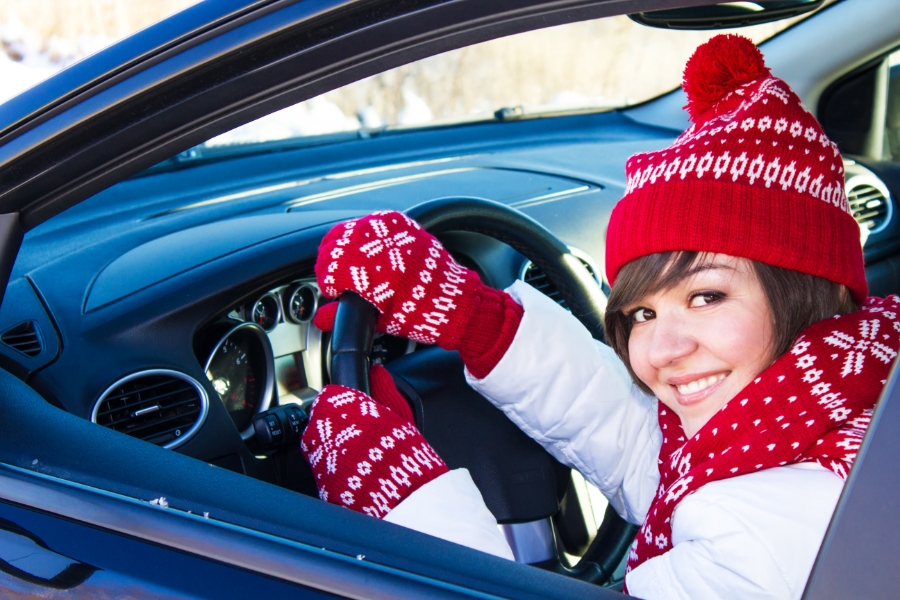
When it comes to winter driving in Tirana, conditions are milder than in many European capitals. The city has a Mediterranean climate with cool, wet winters. Heavy snowfall is extremely rare in Tirana. It might snow only once every few years on the coast. However, don’t let the lack of snow fool you.
Tirana is actually one of Europe’s wettest cities in winter, with most of its annual rain pouring down between November and March. This means you’ll face rain-slick roads, possible morning fog, and occasional frost, even if you never see a snowflake. This guide will walk you through all the essential steps to winter-proof your rental car.
Here are easy ways to prepare your rental car. It can help you stay safe and enjoy a smoother journey throughout the winter season in Tirana.
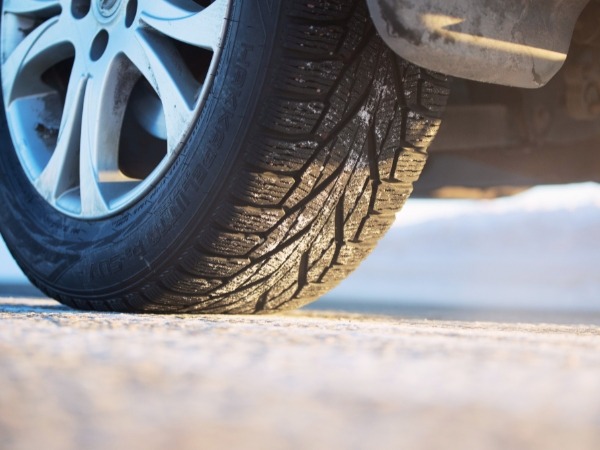
During the winter season in Tirana, having the right tyres is essential, as they are your car’s only contact with the road. Winter tyres are made from softer rubber and have deeper tread patterns, giving far better grip on cold, wet, or icy surfaces. If winter tyres are unavailable, all-season tyres are the minimum acceptable option. Never drive on summer-only tyres in winter, as they harden in cold temperatures and lose traction.
When picking up your rental car, confirm what tyres are fitted. Winter tyres are not legally mandatory in Albania, but they are strongly recommended, especially outside the city. Most rental cars in Tirana come with all-season tyres marked M+S, which are usually sufficient for the capital’s mild winters. However, if you plan to drive into mountainous or snowy areas, insist on proper winter tyres marked with the 3PMSF snowflake symbol.
Also, inspect the tyre condition carefully. Inspect for visible damage and ensure a sufficient tread depth of at least 3 to 4 mm. Shallow tread significantly reduces grip in rain and slush. Finally, remember that from 1 November to 30 April, vehicles must carry snow chains. Check that chains are provided and avoid mountain roads if conditions are poor. Proper preparation greatly reduces winter driving risks.
Cold temperatures cause the air inside tyres to contract, leading to lower tyre pressure. For every 10°C drop in temperature, tyre pressure can fall by around 1 to 2 PSI. Tyres that were correctly inflated the day before may be under-inflated by morning. Driving on under-inflated tyres reduces fuel efficiency, worsens handling, and increases tyre wear.
Check pressures regularly, ideally when the tyres are cold, such as first thing in the morning. While many modern cars have a Tyre Pressure Monitoring System (TPMS), these alerts usually activate only when pressure drops significantly. Do not rely on them alone. Always inflate tyres to the manufacturer’s recommended pressure, which can be found on a sticker inside the driver’s door or in the vehicle manual.
Also, do not forget the spare tyre. Spares often lose pressure over time and are frequently overlooked. Ensure it is properly inflated and in good condition. If the vehicle uses a repair kit instead, check that it is complete and within its expiry date.
Brakes are important due to frequent rain, slick asphalt, painted road markings, tramlines, and cobblestones when winter driving in Tirana. These become slippery when wet. While snow and ice are rare in the city, stopping distances still increase significantly in cold, damp conditions, particularly during heavy traffic and sudden stops.
Before setting off, test the brakes at low speed on a quiet street or near the rental office. The car should slow smoothly and in a straight line, with a firm pedal feel. Listen for squealing or grinding noises, and watch for warning signs such as vibration, pulling to one side, or delayed braking response.
When driving, increase your following distance, especially in traffic-prone areas such as the city centre, ring roads, and major junctions. Wet roads can increase stopping distances by up to 50%, so leave extra space even if local drivers tailgate. Brake early and gently, particularly on cobblestones, road markings, and downhill streets.
Winter in Tirana brings shorter daylight hours, heavy rain, mist, and occasional fog. You will be driving in low light by late afternoon, so being able to see clearly and be seen by others is critical. Albanian regulations also require the use of low-beam headlights during the winter months, even during the day.
Before driving off, check all the lighting. Test the low and high beams, front and rear fog lights, tail lights, brake lights, indicators, reverse lights, and the number plate light. Walk around the car while the lights are on, or use reflections from walls or windows to check the rear. All lights should be bright and steady.
Use fog lights only when visibility is seriously reduced, such as in dense fog or heavy rain, and switch them off once conditions improve. Avoid high beams in fog, as they reflect back and worsen visibility. Finally, ensure indicators and hazard lights work properly, as clear signalling is especially important on wet, slippery city roads.
In Tirana’s winter conditions, a working heater and windscreen defrost system are essential for safety. Cold, damp air and frequent rain can cause windows to fog up within minutes, severely reducing visibility.
When you start the car on a cool morning, test the front defroster immediately. Set the airflow to the windscreen and turn the fan up. Warm, steady air should blow onto the glass within a short time. If the air remains cold, weak, or uneven, report it to the rental company. For faster clearing, use warm air with the air conditioning switched on, as this removes moisture from the cabin. Make sure air recirculation is turned off, as fresh air clears fog more effectively.
Next, check the rear window defogger. Activate it and ensure the rear glass begins to warm and clear. Rear visibility is crucial in rain-heavy traffic and during lane changes. Driving with fogged windows is extremely dangerous, particularly in Tirana’s busy streets filled with pedestrians, scooters, and sudden stops. As a backup, keep a clean microfiber cloth in the car and crack a window slightly to reduce interior humidity.

Rain is far more common than snow, so you’ll need reliable windscreen wipers. Poor visibility during heavy showers or traffic spray can be dangerous, especially on busy city roads and roundabouts.
When you rent a car in Tirana downtown, inspect the wiper blades. Lift each blade and check that the rubber is flexible, intact, and free from cracks or splits. Then, test them using the washer system. Good wipers should clear the screen cleanly in one or two passes without streaking, squeaking, or juddering. If they smear water or make noise, ask the rental company to replace them. Also check the rear wiper, if fitted.
Next, check the washer fluid. Ensure the reservoir is topped up with winter-grade washer fluid, not plain water. Winter fluid prevents freezing on cold nights and is far more effective at removing mud, road grime, and oily spray. Confirm that the washer jets spray evenly onto the windscreen and are correctly aimed. Finally, keep the windscreen clean inside and out to reduce glare and fogging.
Before driving in Tirana during winter, take time to understand your rental car insurance and roadside assistance. Wet roads, poor visibility, and heavy traffic increase the risk of minor accidents or breakdowns, so knowing what you are covered for will save stress if something goes wrong.
Most rental cars in Albania include basic third-party insurance, which covers damage or injury to others. Damage to the rental vehicle itself is usually covered by a Collision Damage Waiver (CDW), but this often comes with an excess, meaning you may still pay part of the repair cost. Ask the rental company to clearly explain the excess amount and what is not covered, such as tyres, windscreens, or underbody damage. In winter, when potholes and slippery kerbs are more common, considering full or zero-excess cover can provide valuable peace of mind.
Also, confirm what roadside assistance is included. Most companies provide a 24/7 emergency number for breakdowns or mechanical faults. Save this number in your phone before leaving the rental office. Ask which situations are covered free of charge and which may result in a call-out fee, such as running out of fuel or getting stuck off the road. Finally, check if the car comes with mandatory safety equipment, including a reflective vest and a warning triangle.
Winter in Tirana is not as harsh as in other places, but you still need to be prepared. A car that’s ready for winter will protect you but also make your travels more enjoyable. You’ll be warm and will be able to see clearly. Drive a bit slower on wet days, keep extra distance, and stay alert.
Book your car rental in Tirana with Final Rentals. As an online car rental platform, Final Rentals lets you secure a vehicle in just a few steps. Choose Tirana International Airport as your pickup location, select your travel dates, and find a car that fits your journey. Book and manage your car rental at any time. Download the Final Rentals app on Google Play and the App Store.